Nice Until Proven Naughty: A Designer's Review
As a designer who spends countless hours evaluating machine embroidery design assets for both personal craft projects and client work, I approach every new graphic with a critical eye. The phrase "Nice Until Proven Naughty" carries a specific energy that translates well into visual form, but the real question is how it performs when stitched onto fabric. In the world of custom apparel and handmade goods, a catchy slogan is only half the battle; the execution determines whether a product looks professional or amateurish. This review breaks down my practical assessment of this Graphics asset as I consider integrating it into an upcoming line of boutique merchandise.
First Impressions and Visual Personality
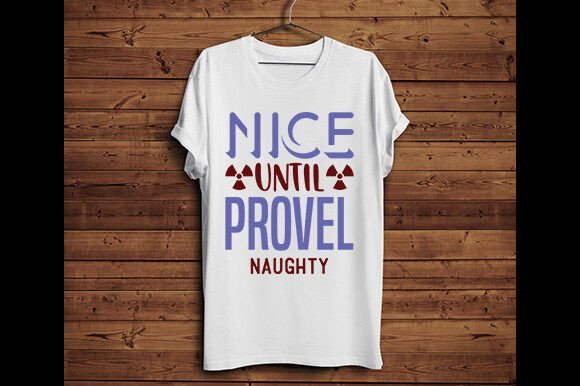
When I first opened the preview files for Nice Until Proven Naughty, the immediate impression was one of playful rebellion. The typography suggests a layout that balances readability with character, which is essential for any embroidery file intended for high-visibility items like hoodies or tote bags. Unlike overly ornate scripts that can get lost in stitching, this design appears to rely on bold strokes and clear spacing. For an Etsy seller or small shop owner, clarity is king. If a customer cannot read the message from three feet away, the design fails its primary function.
The mood created by this text is versatile. It works equally well for a cheeky holiday gift or a statement piece in a modern wardrobe. However, the true test lies in how the design handles the transition from digital vector to physical thread. Does the font weight hold up? Are there tight corners where fill stitch might bunch up? These are the questions I ask before committing to a production run. As a digital product seller, I know that my reputation relies on the quality of the finished product, not just the cleverness of the copy.
Real-World Application: The Custom Sweatshirt Scenario
To truly evaluate Nice Until Proven Naughty, I imagine a specific use case: creating a limited-run batch of custom sweatshirts for a local craft fair. Let’s say I am targeting young adults who appreciate witty, slightly edgy fashion. I envision placing this design on the left chest area of a heather grey hoodie. The contrast between the dark thread and the mid-tone fabric would be striking, provided the thread colors are chosen carefully.
In this scenario, the design needs to stand out without overwhelming the garment. If the stitch density is too high, the fabric could pucker, ruining the drape of the sweatshirt. Conversely, if the density is too low, the lettering might look flimsy after a few washes. This is where the distinction between a simple printable decoration and a robust machine embroidery design becomes apparent. While the SVG and EPS files included in the package are excellent for vinyl decals or screen printing, the embroidery version requires specific attention to stabilizer placement and backing to ensure longevity.
I also consider the personalized gift market. Imagine a customer ordering this for a friend known for their pranks. The design fits perfectly on a canvas tote bag or a kitchen apron. The durability of the stitching is crucial here because these items see heavy use. A well-executed satin stitch outline could give the letters a premium feel, elevating the perceived value of the item significantly compared to a standard heat-transfer print.
Where Caution Is Required
While Nice Until Proven Naughty shows great promise, there are specific situations where I would exercise caution. First, small hoop sizes present a challenge. If you attempt to fit this entire phrase into a 4x4 inch hoop, the lettering may become too small to stitch cleanly, leading to potential thread breaks or misalignment. For smaller applications, such as a cap or a baby bib, it might be necessary to isolate the word "Naughty" or simplify the layout.
Secondly, the choice of fabric matters immensely. On textured fabrics like heavy fleece or slub cotton, fine details can get lost. The design might look crisp on a smooth cotton jersey but appear muddy on a thick wool blend. Similarly, working with stretchy fabrics requires a cutaway stabilizer rather than a tear-away one to prevent the stitches from distorting as the fabric moves. If you plan to use this on dark fabric, the underlay stitch pattern becomes critical to ensure the top threads pop and do not sink into the material.
Another area to watch is the washing frequency. Items like tea towels or gym wear undergo rigorous laundering. If the running stitch count is insufficient or the knotting is poor, the design may fray over time. As a professional, I always recommend testing the design on scrap fabric first, mimicking the final conditions, to check for any structural weaknesses before investing in expensive materials.
Impact on Brand and Customer Trust
For a craft business, consistency is everything. Using a design like Nice Until Proven Naughty adds a layer of personality to your brand, but only if the execution matches the wit of the words. A sloppy stitch job undermines the message, making the product feel cheap. On the other hand, a clean, well-balanced embroidered patch or clothes printing application builds trust. Customers buying handmade items expect quality craftsmanship. They want to feel that the maker cares about the details.
This design has the potential to boost buyer engagement on platforms like Etsy. When paired with a high-quality printable mockup in your listing, it showcases exactly how the finished product will look. Buyers can visualize the design on their own wardrobes, increasing the likelihood of a sale. Furthermore, offering this as part of a commercial embroidery service allows you to create unique, limited-edition pieces that cannot be mass-produced by big-box retailers.
Practical Notes for Designers and Makers
If you decide to incorporate Nice Until Proven Naughty into your workflow, here are my top recommendations based on professional experience:
- Test on Scrap Fabric: Never skip this step. Stitch the design on the same type of fabric you intend to use for the final product to check for puckering and tension issues.
- Check Thread Contrast: Ensure the thread colors provide enough contrast against the background fabric. Test swatches in natural light to avoid surprises.
- Review Stitch Density: Adjust the fill settings if the design feels too dense, especially on lightweight garments. You want the fabric to remain soft and breathable.
- Confirm Hoop Size: Measure the design dimensions against your machine's maximum hoop capacity. Do not force a large design into a small hoop.
- Inspect Small Details: Zoom in on the digital file to check for tiny serifs or thin lines that might break during stitching. Simplify if necessary.
- Use Proper Stabilizer: Select the right stabilizer for the fabric type. Heavyweight items need heavy support; delicate fabrics need gentle handling.
- Verify Licensing: Since this is listed under Freebies, double-check the license terms. Ensure you are allowed to sell finished products made with this design, and clarify if you can resell the digital files themselves.
Ultimately, Nice Until Proven Naughty is a strong contender for designers looking to add some fun and attitude to their portfolio. It bridges the gap between a simple graphic and a functional embroidery project. Whether you are making a single personalized gift or launching a new collection of small shop product items, the key lies in respecting the mechanics of the stitch. By taking the time to test, adjust, and refine, you can turn a clever phrase into a high-quality, market-ready masterpiece that customers will love to wear and display.